
Can Every Factory Manufacture Every Type of Shirt? The Truth Behind Specialized Production
When searching for a shirt manufacturer, many fashion brands assume that if a factory produces shirts, it can manufacture every type of shirt with the same level of quality.
At first glance, this seems logical.
After all, a shirt is just a shirt—right?
In reality, nothing could be further from the truth.
Professional shirt manufacturing is one of the most specialized segments of the apparel industry. While many factories can produce basic shirts, only a limited number have the technical expertise, experienced workforce, and production systems required to manufacture a wide variety of shirt styles while maintaining consistent quality.
Understanding this difference can help brands choose the right manufacturing partner, reduce costly production mistakes, and build collections that stand out in competitive markets.
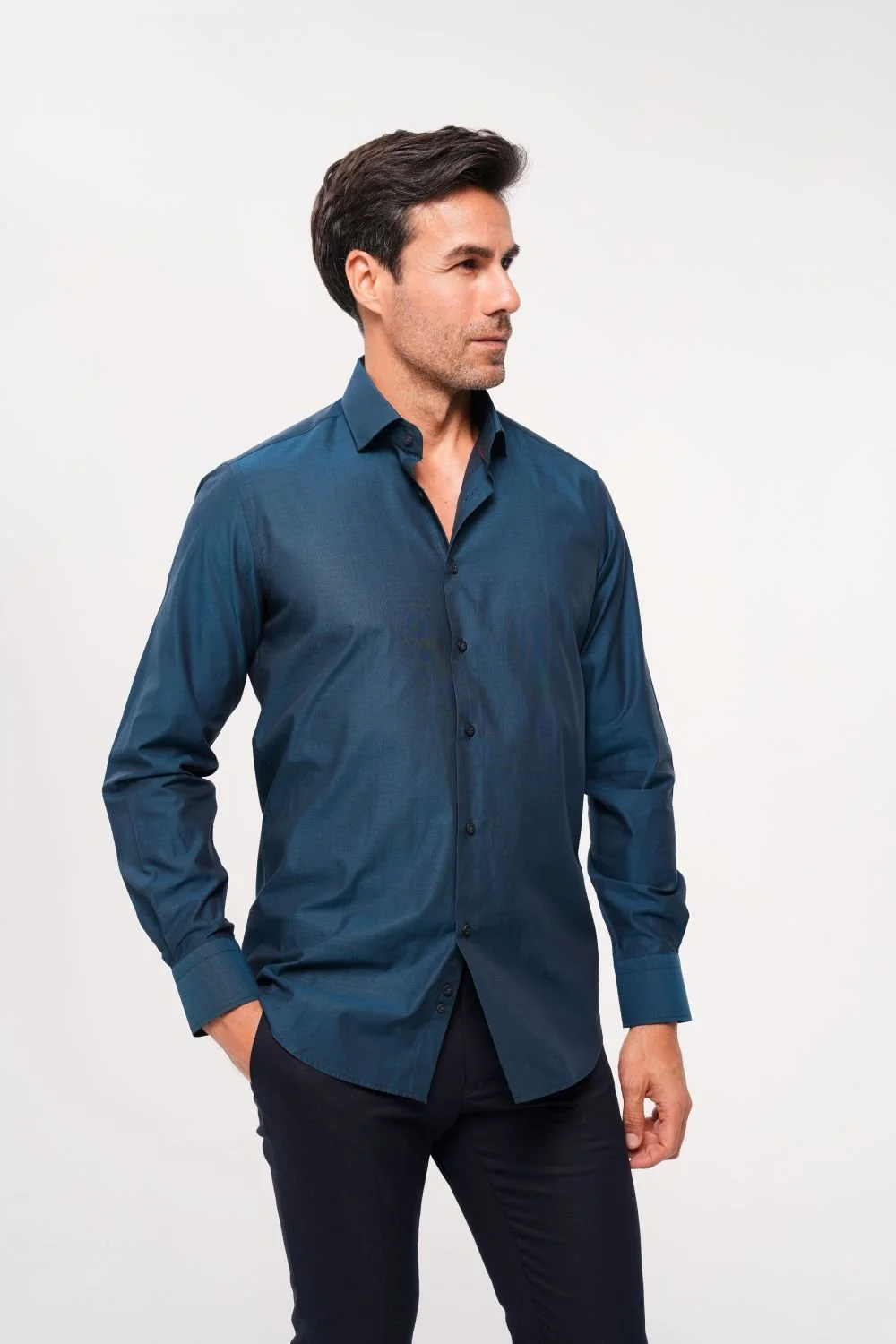
A Shirt Is Never "Just a Shirt"
To consumers, two shirts may appear very similar.
To an experienced men's shirt manufacturer, they may require completely different production techniques.
Every shirt category has its own technical requirements.
These include:
fabric behavior
pattern engineering
collar construction
sewing sequence
interlining selection
finishing methods
quality control procedures
Ignoring these differences often results in inconsistent products, fitting issues, or disappointing customer experiences.
This is why specialized production matters.
Different Fabrics Require Different Manufacturing Expertise
One of the biggest misconceptions in apparel production is that changing the fabric is a simple process.
In reality, fabric selection changes almost everything.
Linen Shirts
Linen is breathable, elegant, and highly popular for spring and summer collections.
However, linen behaves very differently from cotton.
It wrinkles more easily, shifts differently during cutting, and requires experienced handling throughout production.
Manufacturing premium linen shirts demands technical knowledge that many general factories simply do not possess.
Jersey Shirts
Jersey fabrics combine the comfort of knitwear with the appearance of a woven shirt.
Although they look simple, jersey shirts require completely different sewing techniques, machine settings, and production planning.
Without specialized expertise, common issues such as seam distortion, stretching, and poor shape retention become much more likely.
Non-Iron Shirts
Non-iron shirts involve far more than selecting wrinkle-resistant fabric.
Manufacturers must understand fabric treatments, construction methods, pressing techniques, and quality control processes to ensure long-lasting performance.
Producing a true non-iron shirt consistently requires significant manufacturing experience.
Collar Construction Is a Technical Discipline
Collars define the character of a shirt.
Yet collar construction is one of the most technically demanding aspects of shirt manufacturing.
Different styles require different production methods.
Examples include:
classic collars
cutaway collars
button-down collars
mandarin collars
one piece collars
Among these, the One Piece Collar is widely recognized as one of the most challenging collar constructions in premium shirt manufacturing.
Its elegant roll and seamless appearance demand exceptional pattern development, precision cutting, and highly skilled sewing.
Not every factory has the capability to manufacture these collars consistently.
Pattern Development Changes Everything
Many buyers believe that production begins when fabric arrives.
Professional manufacturers know that successful production begins much earlier—with pattern development.
Every fabric behaves differently.
Every market expects a different fit.
Every brand has its own sizing philosophy.
Experienced manufacturers continuously refine patterns to improve:
comfort
silhouette
mobility
appearance
production efficiency
Strong pattern engineering often separates premium collections from average ones.
The Best Manufacturers Build Production Around the Product
Some factories try to fit every product into the same production process.
Professional manufacturers do the opposite.
They adapt production methods according to the product.
Different shirts require different:
sewing sequences
operator skills
pressing techniques
quality inspections
finishing procedures
This flexibility allows experienced manufacturers to maintain consistent quality across diverse collections.
Product Development Is Just as Important as Production
Manufacturing is not only about sewing garments.
It is also about improving products before production begins.
Experienced private label shirt manufacturers regularly help brands by recommending:
better construction methods
alternative fabrics
improved fit solutions
cost optimization
production-friendly design adjustments
These improvements often reduce production risks while increasing customer satisfaction.
This collaborative approach is one reason why successful fashion brands build long-term relationships with experienced manufacturers.
Why Specialization Creates Better Results
Factories that attempt to manufacture every garment category often divide their attention across numerous product groups.
Specialized shirt manufacturers dedicate their expertise to one category.
This focus allows them to master details such as:
collar engineering
cuff construction
sleeve balance
pattern matching
stitching consistency
fabric behavior
finishing quality
Over time, this specialization produces higher-quality garments and more reliable production outcomes.
Quality Depends on Systems, Not Just Machines
Modern equipment certainly improves manufacturing efficiency.
However, advanced machinery alone cannot guarantee premium quality.
Quality depends on systems that include:
technical planning
experienced operators
standardized production procedures
continuous quality control
production discipline
Two factories may own identical machines.
The factory with stronger systems will almost always produce better shirts.
Why Fashion Brands Should Evaluate Expertise, Not Just Capacity
Production capacity is important.
However, capacity without expertise offers limited value.
Before selecting a manufacturing partner, brands should ask questions such as:
Which shirt categories do you specialize in?
How many years have you focused on shirt manufacturing?
Do you own your production facility?
Can you support product development?
How do you maintain quality consistency?
Can you manufacture premium shirt constructions?
How do you manage different fabric types?
The answers reveal far more than a price quotation ever could.
Why More Global Brands Choose Specialized Shirt Manufacturers
International fashion brands increasingly look for manufacturers that specialize in shirts rather than factories producing dozens of unrelated garment categories.
Specialization provides several advantages:
deeper technical expertise
more consistent quality
better product development
faster problem solving
improved communication
stronger long-term partnerships
For brands investing in premium collections, these advantages often create significantly greater value than choosing the lowest-cost supplier.
Why Mehmet Dağ Shirts Focuses Exclusively on Shirt Manufacturing
At Mehmet Dağ Shirts, we believe that true expertise comes from specialization.
For more than 25 years, we have focused exclusively on shirt manufacturing.
Rather than producing every type of garment, we have dedicated our knowledge, equipment, and production systems to mastering one product category.
As a real shirt manufacturer in Turkey, operating our own production facility in Istanbul, we support international brands with:
private label shirt manufacturing
wholesale men's shirts
premium dress shirts
linen shirts
jersey shirts
non-iron shirts
one piece collar shirts
custom shirt production
Our experienced team of more than 80 professionals manages every stage of production, from product development and pattern engineering to quality control and final inspection.
With annual production capacity exceeding 500,000 shirts, we combine large-scale manufacturing capability with the precision expected from premium shirt production.
Our objective is not simply to manufacture shirts.
It is to help fashion brands build collections that consistently meet customer expectations and strengthen their position in competitive markets.
Conclusion
Not every factory can manufacture every type of shirt at the same level of quality.
True shirt manufacturing expertise goes far beyond owning modern equipment or offering competitive pricing.
It requires years of specialization, technical knowledge, experienced people, disciplined production systems, and a commitment to continuous improvement.
For brands looking for a reliable men's shirt manufacturer, choosing a specialist rather than a general garment factory can make the difference between an average collection and one that customers remember, trust, and purchase again.
In professional shirt manufacturing, specialization is not a limitation.
It is the foundation of exceptional quality.
