
👔 Printed Shirt Manufacturing: Differences Between Digital, Rotary and Transfer Printing
Printed shirts are widely used in fashion collections, corporate wear, and private label productions.
However, achieving high-quality results depends largely on selecting the right printing method for the fabric, design, and production scale.
In printed shirt manufacturing, the three most commonly used techniques are digital printing, rotary printing, and transfer printing.
Each method has distinct advantages and limitations, which brands must understand before production.
🖨️ Digital Printing in Printed Shirt Manufacturing
Digital printing is one of the most flexible methods in modern printed shirt production.
This technique involves printing the design directly onto the fabric using digital inkjet technology.
Key advantages of digital printing:
High-detail and photographic-quality prints
Unlimited color options
Ideal for small quantities and low MOQs
Fast sampling and design changes
Limitations:
Higher cost per unit for large volumes
Ink penetration and durability depend on fabric quality
Digital printing is often preferred for fashion-forward collections and customized printed shirts.
🔄 Rotary Printing in Shirt Production
Rotary printing (also known as rotary screen printing) is a traditional and highly efficient technique for large-scale production.
The design is applied using rotating screens, each dedicated to a specific color.
Key advantages of rotary printing:
Excellent color consistency
High durability and wash resistance
Cost-effective for medium to large quantities
Ideal for repeated patterns
Limitations:
Higher setup cost
Less flexibility for frequent design changes
Rotary printing is widely used in bulk printed shirt manufacturing for established brands.
🔁 Transfer Printing for Shirts
Transfer printing involves applying a design onto transfer paper and then transferring it to the fabric using heat and pressure.
Key advantages of transfer printing:
Suitable for logos and small placements
Works well for mixed materials
Flexible for short runs
Limitations:
Lower breathability
Less durable compared to digital or rotary printing
Not ideal for full-surface prints
Transfer printing is commonly used for corporate shirts, promotional products, and uniform collections.
⚖️ Comparing Printing Methods in Printed Shirt Manufacturing
Choosing the right printing method depends on several factors:
Design complexity
Fabric type
Order quantity
Durability expectations
Cost efficiency
A professional printed shirt manufacturer evaluates all these factors before recommending the most suitable printing technique.
🧵 Fabric Compatibility and Printing Quality
Different printing methods perform differently on various fabrics.
For example:
Digital printing works best on smooth, high-quality cotton or blends
Rotary printing is ideal for woven fabrics used in classic shirts
Transfer printing suits structured fabrics for logos and branding
Fabric preparation and finishing play a crucial role in achieving consistent results.
⭐ Why Choosing the Right Printing Method Matters
Using the wrong printing technique can lead to:
Poor color fixation
Reduced wash durability
Compromised fabric feel
This is why printed shirt manufacturing requires technical expertise, testing, and experience rather than a one-size-fits-all approach.
📩 Printed Shirt Manufacturing for Private Label Brands
If you are looking for a reliable printed shirt manufacturer offering digital, rotary, and transfer printing solutions, we support brands from sampling to bulk production.
We help you select the most suitable printing method based on:
Fabric structure
Design requirements
Order volume
Target market expectations
📧 E-mail: info@mdhazirgiyim.com
📍 Location: Istanbul, Turkey
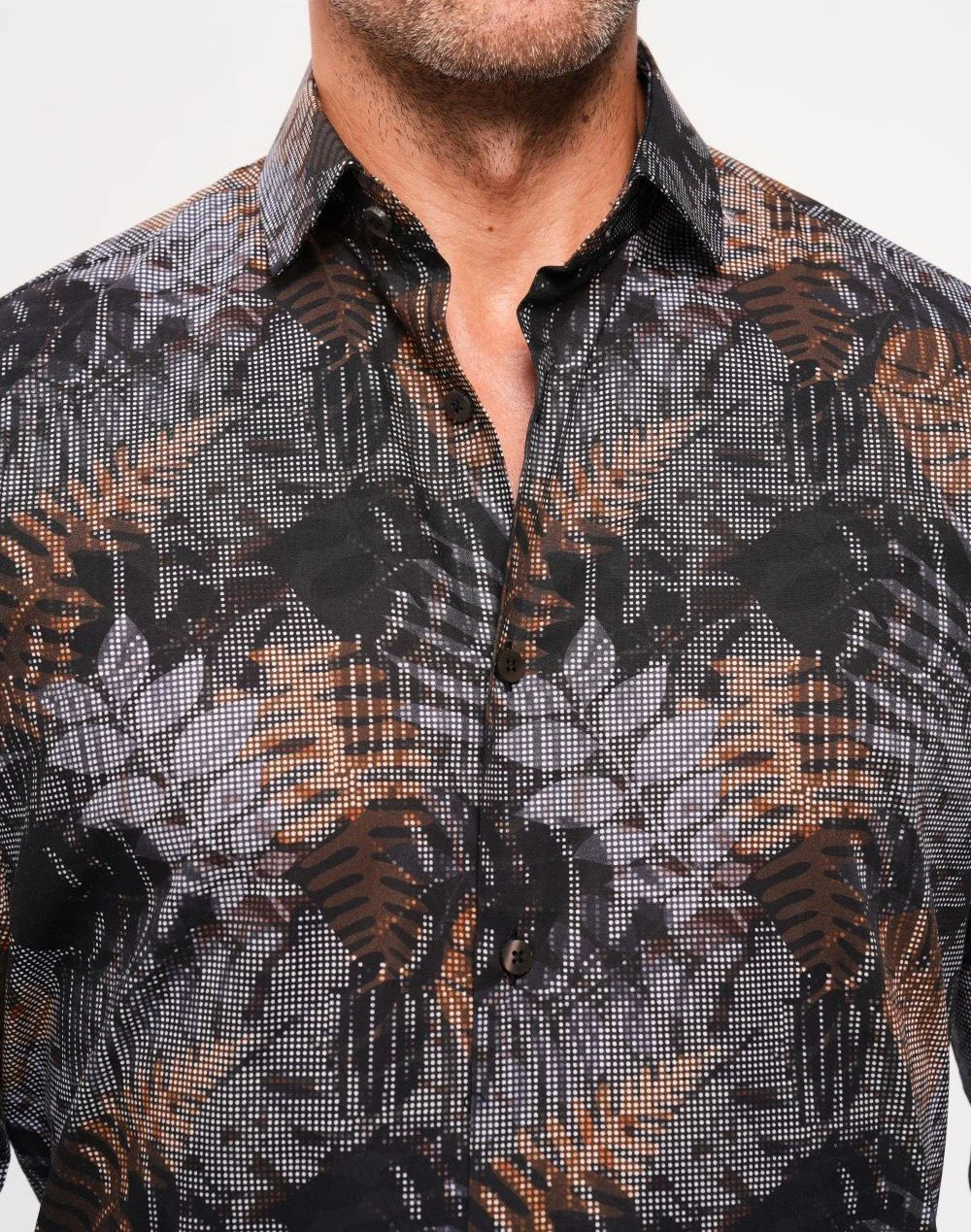
Private Label Printed Shirt Production For Fashion And Corporate Brands
